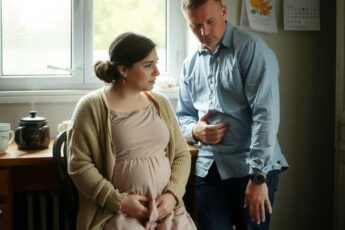
Morning unfolded like any other, though the sky beyond the bedroom window was still a bruise of predawn. A muffled hum of London waking up slipped through the curtains. I opened my eyes, stretched, and glanced at the man sleeping beside meEthan. He lay on his back, a hand dangling off the edge of the mattress, his face as relaxed as a childs. In those moments I tried not to think of the recent arguments, his sudden distance, the way he started coming home late, always saying, Its fine, just a lot on the plate. I wanted to believe him. I wanted everything to be alright.
Good morning, I whispered, brushing his shoulder.
He startled, eyes fluttering open.
Already? he muttered, yawning. Youre up early.
Id like a coffee, I smiled. Maybe we can have breakfast together?
Of course, he nodded, rising. Ill brew it myself.
I returned his smile. It was a rare flash of caring from him. Lately hed withdrawn from the chores, and Id begun to think he was simply exhausted. Yet today he seemeddifferent. Too attentive. Too eager.
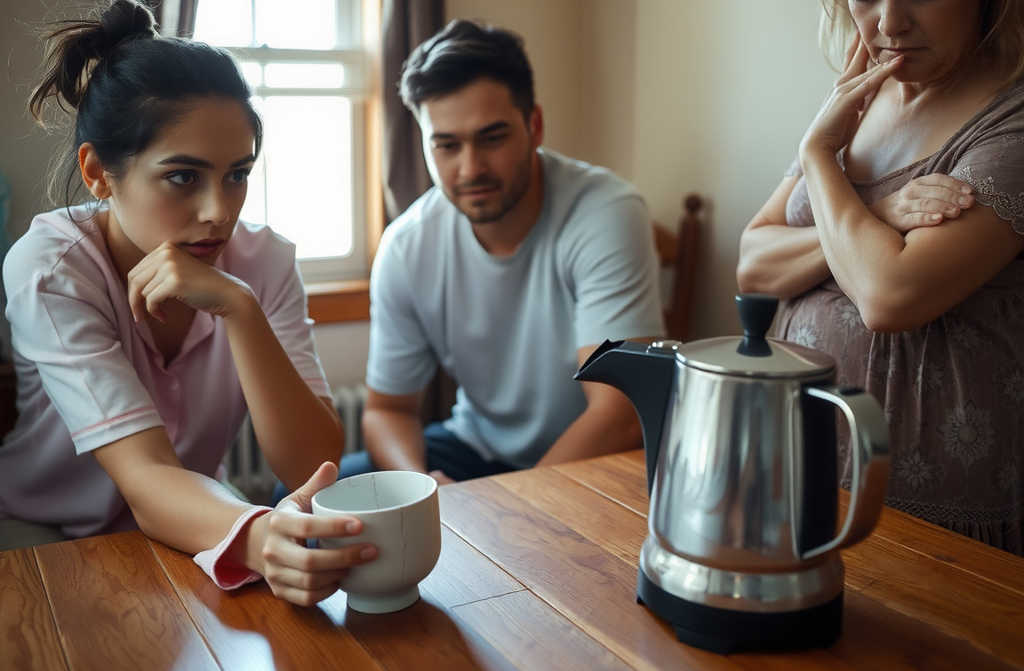
I slipped into the shower, and when I emerged the kitchen was already scented with fresh coffee. Ethan stood at the table, pouring the dark liquid into two cups. Into my favourite blueflowered porcelain mug he filled one, and into a cracked cup the one my motherinlaw always used he left it empty.
I made it just the way you like it, he said, handing me the cup. A dash of milk and a pinch of cinnamon.
Thank you, I replied, but then my nose caught a strange odor. Not coffee, but something sharp and chemical, tinged with bitter almond.
I frowned.
Whats that smell? From the coffee?
Ethan glanced at his cup for a heartbeat.
Dont know. Maybe a new roast? Or the milks gone off?
I inhaled again. Bitter almond. I remembered my grandmothers warning: a scent of bitter almond meant potassium cyanide. I had dismissed it as folklore until a school chemistry book confirmed that cyanide carries that unmistakable aroma. The thought made my heart hammer.
Ethan, are you sure you didnt mix something up? I asked as calmly as I could. Im allergic to certain additives. Maybe I should take the other cup?
He froze for a moment, then smiled.
Come on, its just coffee. Drink it while its warm.
I nodded, but a sound of footsteps echoed from the hallway. My motherinlaw, Miriam Brown, emerged from her room a stern woman with a cold stare and a habit of noticing everything. We had never gotten along; she claimed I was not proper for her son, too plain, that people like me dont belong in this family.
Good morning, she said dryly, approaching the table.
Morning, Mum, Ethan kissed her cheek. Ive made the coffee. Heres yours.
He handed her the empty cracked cup.
Wheres my coffee? she asked, frowning.
Ill pour it now, Ethan replied, reaching for the kettle.
In that instant she did what saved my life. She snatched my cup, still steaming, and said, You wait here.
She stared at me with a thin, bitter hatred.
Ethan froze. His eyes widened for a split second. He looked at me, and in his gaze I saw something horriblenot fear, not anger, but pure disappointment.
What are you up to? the motherinlaw snapped, taking a sip from my cup. Pour the coffee, not stand there like a fool.
Ethan slowly poured coffee into the empty mug.
I sat down, heart drumming. I could not take my eyes off the cup before Miriam, the same cup that reeked of bitter almond.
Its a bit strong, she muttered. But it can be drunk.
I watched Ethan. He sat, eyes down, poking at his omelette with a fork. No words, no glance, no smile.
Ten minutes later Miriam winced.
My stomach feels odd my head is spinning, she groaned.
Are you ill? I asked, trying not to betray panic.
A little, she said, setting the cup down. It feels as if Im suffocating.
She rose, then swayed. Ethan caught her.
Mum! Whats happening?
You you, she stared at him, eyes widening. You wanted me
And she collapsed.
I screamed. Ethan lunged, shouting for an ambulance, shaking her shoulders. I stood in a fog, everything moving too fast. One thing became crystal clear: he wanted to kill me, and she had become the sacrifice instead.
The ambulance arrived twenty minutes later. Doctors swarmed Miriam, one of them bringing the cup to his nose.
Its cyanide poisoning, he announced. High concentration. Shes in a coma. Little chance of recovery.
Ethan stood pale, trembling.
I dont know how this happened I just brewed coffee, he stammered.
Where do you store your coffee? a doctor asked.
In the pantry its a new bag I bought yesterday.
Show us.
We went to the kitchen. The doctor opened the tin, sniffed.
Theres no cyanide in the grounds. Someone must have slipped it into the cup or the water.
Police arrived half an hour later. The interrogation began.
You were the last person to touch the cup, the inspector said, staring at Ethan. You poured the coffee.
I didnt do anything wrong! he shouted. I love my mother!
And your wife? the inspector turned to me.
I stayed silent.
When the police escorted Ethan away for questioning, I was left alone in the house. The same cup sat on the kitchen counter. I picked it up; a thin, milky film clung to its bottom. I didnt wash it. I slipped the cup into a bag and hid it in the cupboard.
Three days later Miriam died. Doctors declared the cause incompatible with life cyanide had destroyed brain cells within minutes.
At the funeral Ethan looked gaunt, eyes swollen. He clung to his grief as if it were his own guilt, yet I saw not sorrow but a thin veil of relief.
After the service he approached me.
Listen, he said, I know what you think. I didnt kill Mum. I wanted He fell silent, then whispered, I wanted to kill you.
I wasnt shocked. I simply nodded.
Why?
Because you knew everything, he replied. You knew about the money, the insurance, my debts. You knew I was gambling, losing everything. If you left, youd take half the flat. If you died, Id collect the policy half a million pounds. That would be enough to start over.
And Mum?
She started to suspect. She read my messages, threatened to tell you. I wanted to get rid of you but didnt expect Mum to drink the coffee.
I looked at the man I had spent five years with, the one I had loved, the one who had once given me hopes and dreams.
You would have killed me, I said.
Yes, he answered. I would have. But I didnt want Mum to
Go, I told him. Leave my house and never return.
He walked away. I locked the door, called a solicitor, filed for divorce, handed the cup to the police. The forensic report confirmed cyanide traces, fingerprints only Ethans.
A month later he was arrested. The trial lasted three weeks. He admitted he wanted to kill me, but insisted he hadnt planned Mums death. The court treated it as a mitigating factor. He received fifteen years of strict regime.
I moved to a coastal town, renting a small flat by the lake. I bought a coffee machine and now brew my own coffee plain, no cinnamon, no milk. Each time before I sip, I listen closely to the scent.
Because bitter almond is not just a smell; it is a warning, a primal voice whispering, Beware. Death lurks here.
I am not afraid. I am merely cautious.
Sometimes, in the night, I dream of Miriam standing in the doorway, cup in hand, looking at me not with hatred but with pity, murmuring:
You should have left earlier.
I wake in a cold sweat, go to the kitchen, pour water, drink it, stare out the window at the blackness and silence.
I know somewhere beyond that quiet, people smile at you across the table, say I love you, while thinking, If only she vanished.
I no longer trust coincidences not the aroma of coffee, not love that suddenly turns cold, not men who suddenly become morning baristas.
I live. I breathe. I look ahead.
But I will never forget the morning the scent of bitter almond saved my life.
**Epilogue**
Two years later I opened a tiny café by the lake, calling it Almond. Above the door a sign reads: Coffee with soul. No bitterness.
Patrons ask why the name.
I smile.
Just because I like almonds, I say, pouring them a fresh cup of coffee.
No scent of danger. No fear. Only hope.
And if anyone ever offers me coffee they didnt brew themselves, I always decline.
Because once I chose a cup, and that cup saved my life.