Are you planning to move out, Emily?
Mum leans in the kitchen doorway, a mug of tea in her hand, her tone flat, almost dismissive.
What do you mean move out? Emily sighs, pulling away from the laptop that warms her knees. Mum, I live here. I work.
You work? Mum repeats, a crooked smile flickering across her face. Right, you sit online all day. Writing poems? Articles? Who even reads that?
Emily snaps the laptop shut. Her heart tightens. Shes heard her work called not a real job before, and each time it feels like a spit in the eye.
Shes trying, though. Freelancing isnt easy: endless revisions, tight deadlines, earlymorning drafts, clients who want it yesterday and pay late
I have regular gigs, she says, exhaling. And I earn enough to pay the bills, the council tax, the utilities
No ones demanding anything from you, Mum waves it off. Its just the way things are, love. Youre an adult now, you understand. Tom and Olivia with their kids want to move into a bigger place. Their two children are crammed into a onebed flat, you know how that is.
And what about me? Im not a family? Emily snaps, voice trembling.
Youre on your own, Emily. Youre selfsufficient. Theyve got children, a family. Youre clever, independent. Youll find somewhere to live, maybe a proper job, finally.
People work ninetofive, not glued to a laptop at night.
Emily stays silent, a knot forming in her throat. Explaining feels pointless; Mum never grasps what she does. She never asks, What do you write? Where can we read it? Only criticisms, condescending glances, and lines like, Youd be better off as a cashier.
Alone. That word rings like a verdict, a reason to erase her from the flat, from the family, from life.
When Dad comes home, the conversation resumes with Mum and Emily sitting like a courtroom.
Tom and Olivia have achieved a lot, Dad begins, easing into his chair. Both work, two kids.
And you Youre not lazy, but you need to take life seriously.
Dad, I live here. Im not idle! I earn, even if its from home in my pyjamas. I pay for food, utilities, Im not a burden!
You dont get it, he cuts in. It isnt about money. Its about need. Tom has two kids, one only eighteen months old. They need this flat. Its hard for them.
And its easy for me?! Emily erupts. You think I have no problems!
Im twentyeight, no partner, no children, only a job you refuse to recognise!
They exchange glances, as if shes merely being dramatic, her words a whim rather than pain.
Youre a strong girl, Mum says sadly, shaking her head. Youll manage. Tom and Olivia could never imagine
Do I even have a chance? she thinks, but says nothing; she has no strength left.
Where do you expect me to go? she croaks. Im not asking for money or help, just a corner, just understanding.
You could find a rented room, Mum suggests hesitantly. Everyones in shared flats now. You dont have an official job, so no lease, no security.
Are you even listening?!
Emily cant recall how the evening ends. She only remembers sitting on the windowsill, staring into the dark courtyard. Rain pours stubbornly, droplets racing down the glass like silent tears.
In the morning she wakes to the clatter in the hallway: suitcases, voices, commotion.
Emily, were putting Toms stuff in the storage for now, Mum says without looking at her. Theyre moving, you understand.
She understands. Shes known this from the start. Living with it is disgusting.
Emily, everythings decided, Mum repeats in the same flat tone, as if asking for the salt at dinner. Simple, matteroffact, no emotion.
So you dont ask, you dont suggest you just present the facts?
Whats there to ask? Youre an adult. Figure it out yourself, not in some nursery.
And its temporary. Find a place to rent, maybe things will change later.
Temporary? Right, for a few decades until Toms grandchildren arrive.
Theres your sarcasm again, Mum rolls her eyes. You always take everything the wrong way.
Were looking out for you, not against you. But remember: family isnt just you.
Of course it isnt just me, Emily says bitterly. Everythings for Tom. Everything for his family. And Im the extra, a ghost on the sofa. Out of sight, out of mind.
Youre overreacting, Dad reappears in the doorway. Toms a son, after all. And youre strong. Youll understand.
I dont want to be strong. I just want to be needed.
The next day Emily looks for a room to rent. Twenty minutes from home the world shifts: a grey stairwell with rusted doors, a nosy elderly neighbour muttering about cats howling at night.
The flat looks like a junkshop museum: peeling rosepatterned wallpaper, a carpet nailed to the wall, a threelegged stool.
The landlady, a hoarsevoiced woman who looks like shes seen too many tenants ask for loans, eyes Emily.
Where do you work? she asks suspiciously.
Im a freelancer. I write articles online.
Online? What does that even mean?
On a computer, on the internet. I have regular clients, I work through platforms.
Ah, so you sit at home. Make sure no guests come over, run the washing machine only once a week. Electricitys pricey nowadays.
Got it, Emily nods, feeling everything inside her collapse.
Thats her new home nest.
That evening Mum sends a picture: Look, weve already assembled the baby cot. Isnt it cute?
Very cute.
What are you thinking? Dad asks over dinner. Emily returns with her last things sneakers, a tripod, a blanket Grandpa gave her.
Im staying in the room for now, she replies flatly. Later I might move again, think about a gradual change.
Right, he says. And its time you find a proper job, with people, a schedule
Dad she sighs, exhausted. My clients are from all over, I run a corporate blog with a millionpound turnover. I write pieces read by ten thousand people a day. But you and Mum never acknowledge that.
Whos going to verify that, Emily? Tom has clear accounts, reports, a salary. Yours is a fog. Write ten articles, then what?
Then Ill keep living, however I can, without you. Thanks for teaching me not to wait for help or recognition.
He wants to say more, but shes already standing, pocketing her keys, heading for the door.
Emily he calls softly behind her. We didnt mean it out of spite.
She pauses, hand on the latch.
I know. Its just youre being foolish.
And she leaves.
The new room smells of mothballs. Curtains are faded greybeige, walls a gloomy green. Emily sits on the bed, knees hugged, thinking about how easily she was written off.
No screaming. No noise. Just move out. Youre strong. Youre alone, so you dont count.
Maybe its for the best? Yet her chest feels hollow, painful.
I havent broken, she whispers in the dark. So Ive already won.
Emily starts waking before her alarm, eyes opening into halfdarkness, lying there watching the ceiling.
The neighbour, a pensioner complaining about young people, the smell of an old rug, all press on her like a slab.
Worse is the thought that her family home is no longer hers, that her parents now see her as a weight.
She writes articles in silence, focused, humming. She juggles two company accounts, takes extra gigs, edits at night. Money comes, clients praise her, but she feels indifferent.
Because inside the hurt still lingers.
One evening, while the flat smells of fried onions from the neighbour, Emily receives a message from her younger brother:
Hey, when will you finish retyping those documents? The flats ours now, so we dont have to split it later.
She freezes, staring at the screen as if at a traitor.
Peoplewise what is that?
She types slowly:
The flat is in our parents name. Im registered there. Youre pushing me out, now you want to strip my rights?
A reply comes almost instantly:
Dont be dramatic. Just want everything clear. You said you were moving. Why do you need the registration? Were living there now.
So you live, Tom, she mutters through clenched teeth. Forget the word thanks. It seems foreign to you.
On the weekend she drives to the park, just to sit. She grabs a coffee, sits on a bench, pulls out her laptop. She cant write, but she can think, loud and bitter.
She remembers dreaming of working in an editorial office, writing big pieces, inspiring, explaining, opening worlds. All the sleepless nights she poured into her craft, never hearing a Were proud of you from her parents.
For them, Tom is the good son, the proper man. Shes the unfinished daughter who had no luck.
And erase her?
That night her aunt Vera calls. Shes Mums sister, the voice of common sense.
Emily, Im sorry about everything, Vera says. Im ashamed of my sister of this whole mess.
Its fine, Emily replies tiredly. All right.
No, it isnt! Youre brilliant, on your own, holding on, working. And they?
A flat isnt a cage to be displayed. Your work is real. The whole world leans on people like you now.
Emily listens, tears slipping silently down her cheeks, relief mixing with the sting of finally being seen.
Thank you, Aunt Vera, she whispers.
Keep going, love. Remember, family isnt about blood; its about who truly stands by you. Let them live on their conscience.
A week later Emily decides to move to another city. She lands a contenteditor role at a large company, flexible hours, decent salary.
The online interview goes smoothly. No one asks about a real job; everyone is impressed by her portfolio.
When she tells Mum shes moving, Mum grumbles:
Well, if thats your decision. Just dont be angry. Were only being kind
Kind? You drove me out, silently, without a choice.
You always overreact, Emily. We never meant to hurt you.
And thats how it always ends.
She doesnt shout, doesnt curse. She speaks evenly. Mum, unable to handle it, hangs up.
The day before leaving, Emily walks into the hallway of the old block, leans against the wall, closes her eyes.
Whats lost? Nothing. Shes gained more: freedom, herself.
She leaves quietly, no drama, but with a new breath.
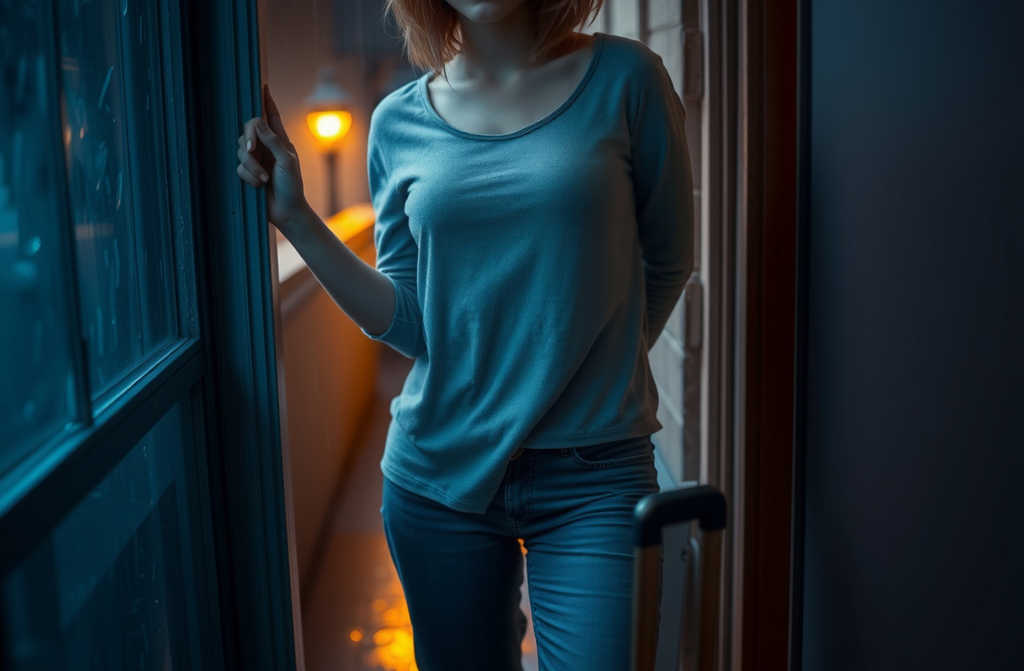
Emily arrives in the new city with a single suitcase, her laptop, and a feeling of being reborn.
A studio flat with parkview windows, bright, albeit sparsely furnished. Every cup, every coatrack, every quiet evening feels hers.
The first week feels like a film. She works from the nearest café, sips coffee, watches passersby, takes her time.
No one pulls her aside saying, Do this, give this up, you dont work.
One day she catches herself smiling at her reflection in a shop windowunforced, genuine. For the first time in ages, it feels easy.
A month later shes invited to the office for a team meetup.
The atmosphere buzzes with people, projectors, lively debates over a whiteboard, coffee in thermoses.
You seem like one of us, Emily, the manager says. So engaged, so mature. Did you have a lot of experience before?
Emily pauses, then smiles:
Experience? Yes. Life experiencevery concentrated.
That shows. Your writing grabs, it even hurts between the lines.
Because I know what its like to be invisible, Emily says quietly. And Im done with that.
One evening she gets a long voicemessage from Mum.
Emily why havent you called? Weve had a bit of a tiff with Tom. He wants to sell the flat to get a bigger mortgage. I thought he said he doesnt want us to own it. Hes being rude
And how are you? Everything okay? We miss you
Emily listens, replaying it twice, then once more. She realises the pain has dulled.
It was scary, disgusting, hurtful. Now its just nothing. No desire for revenge, no lingering anger. Just the calm awareness that she owes no one anything.
Months pass.
Emily adopts a rescue cat, names him Coconut. Hes white, like a fresh sunrise in her new flat.
She buys a cosy desk, hangs a world map with pins labeled Want to go.
She starts a blog, writing not just for clients but for herselfraw, unapologetic. Readers comment, Thats me, Thank you for looking into my soul.
She realises those who truly listen will always appear, even if at first theres only silence, even if family never heard her.
One night she dreams of the old house, Mums lilac robe, the scent of pancakes in the morning a place that never chased her away, where people waited and believed. She wakes with a lump in her throat, but no tears.
She simply gets up, brews coffee, opens her laptop, and types the headline:
When the ones you love think youre nothing, become everything for yourself.
Below, she signs:
Author: Emily. Journalist. Freelancer. Strong. Free. Alive.