April22The day we laid Edward to rest, a soft rain drummed against the churchyard. My little black umbrella could not shield the ache that settled in my chest. I held a thin stick of incense, stared at the freshly turned earth still damp with grief, and felt my knees wobble. My partner of nearly forty yearsmy Edwardhad become a cold handful of soil.
After the service there was no time to drown in sorrow. My eldest son, James, the one Edward trusted implicitly, seized the house keys without hesitation. Years ago, when Edward was still robust, he had whispered, Were getting older; lets put everything in our sons name. If its all his, hell look after us. I never objected. What parent doesnt love their child? So the house, the title deeds, every document were transferred to Jamess name.
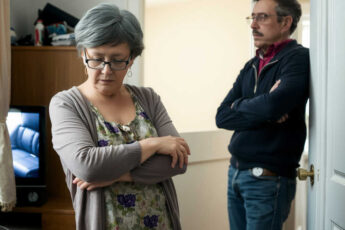
On the seventh day after the funeral, James suggested we take a walk. I never imagined the outing would feel like a knife twist. The car pulled up on the outskirts of Birmingham, near a small bus stop. James, his voice as cold as the drizzle, said,
Get out here. Your wife and I cant look after you any longer. From now on youll have to fend for yourself.
My ears rang, my vision blurred. I thought Id misheard, but his eyes were set, as if he wanted to push me away then and there. I sat on the curb beside a corner offlicence, clutching a single bag of clothes. The house I had tended, the home where Edward and I raised our children, now bore his name. I had no right to return.
People often say, When you lose your husband you still have your children. Yet sometimes children feel like strangers. My own son had cast me aside. James didnt know one thing: I wasnt entirely without means. In my pocket I kept a small ledgera record of the savings Edward and I had quietly built over a lifetime, more than £30million. We had hidden it from our children and everyone else. Edward used to mutter, People are only kind while they think you have something to offer.
That day I chose silence. I would not beg, I would not reveal my secret. I wanted to see how James and the world would treat me.
The first night, abandoned and shivering, I slipped under the awning of a tiny tea shop. The proprietor, Aunt Lillian, took pity on me and poured a steaming mug of tea. When I told her I had just lost my husband and my children had left me, she sighed,
Its a sad sight, dear. These days, many children value money more than love.
I managed to rent a modest room in a boarding house, paying the rent from the interest of my account. I was careful never to let anyone know I was flush with cash. I lived simply: secondhand dresses, cheap bread and beans, and I kept a low profile.
Many evenings I curled up on the creaky wooden bed, recalling the old house, the hum of the ceiling fan, the scent of spiced tea Edward used to brew. The memories hurt, but I kept telling myself, as long as I breathe, I must keep moving.
Gradually I adjusted to the new routine. By day I begged for odd jobs at the marketwashing vegetables, hauling crates, wrapping parcels. The pay was meagre, but I didnt mind. I wanted to stand on my own two feet, not rely on charity. The stallholders called me Mrs. Harris. They never guessed that each night, after the market shutters clanged shut, I would return to my rented room, open my ledger, glance at the figures, then close it again. That was my secret keeping me afloat.
One afternoon I ran into an old schoolfriend, Mrs. Clarke. Seeing me at the boarding house, I confided that Edward had died and life had grown hard. She pitied me and offered a job at her familys roadside café. I accepted. The work was tough, but it came with meals and a roof over my head. And it gave me yet another reason to keep my savings hidden.
Meanwhile, rumors about James filtered through. He lived with his wife and children in a spacious suburban home, had bought a new car, and apparently dabbled in gambling. A neighbour whispered, Hes probably already pawned the familys deeds. I listened with a sting, but I did not reach out. He had left his mother at a bus stop; I had nothing more to say.
One rainy afternoon, while I was scrubbing the café floor, a sharply dressed stranger entered, his face tight. I recognized him as a drinking mate of James. He fixed his gaze on me and asked,
Are you Jamess mother?
I nodded cautiously. He leaned in, his voice heavy with pressure,
He owes millions. Hes on the run. If you still love him, help him out.
I felt a cold shiver run through me. I managed a thin smile,
Im penniless now. I have nothing to give.
He left, angry, and his words lingered. I loved my son, yet his abandonment had cut deep. He had dumped me at a bus shelter; now he faced his own reckoning. Was that fair?
Months later, James appeared at the boarding house, gaunt, eyes red from sleepless nights. He fell to his knees and wept,
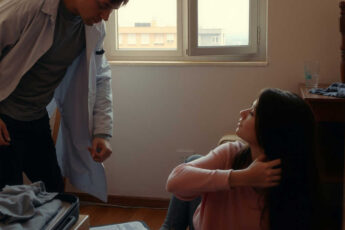
Mother, Ive been a fool. Im ruined. Please, save me once more. If not, my whole family will fall apart.
My heart hammered. I remembered the nights Id wept in silence for him, the sting of his desertion. I also recalled Edwards final words: Whatever happens, he remains my son.
I stayed silent for a long breath, then slipped into my room, retrieved the ledger holding the £30million, and placed it on the small table before James. My eyes were calm but resolute,
This is the money your parents saved all our lives. I kept it hidden because I feared youd squander it. Now I give it to you. But remember, if you ever trample on a mothers love again, no amount of money will ever let you lift your head with dignity.
James took the ledger trembling, his tears mixing with the rain outside.
Perhaps he will change; perhaps not. But as a mother, I have fulfilled my last duty. And the secret of that hidden account finally saw the light, just when it was needed most.